CKC Registered Maltese and Yorkshire Terriers
At Whiskerkins, my dogs and litters are registered with the Canadian Kennel Club (CKC). Some of our puppies can also be registered with the American Kennel Club if you desire. Whiskerkins is an in-home Kennel that adheres to the CKC’s code of conduct for breeders. Choosing a puppy from a registered breeder gives you peace of mind – you know you will be getting exactly the dog you were searching for, and you know that your new best friend was not born in a puppy mill or the result of unethical breeding practices
Healthy and Well-Socialized
My dogs are Embark tested for genetic illnesses and breed-specific health concerns, and have undergone additional health testing for issues such as cardiac and patella. All of my puppies receive their first vaccines, are dewormed, microchipped, and come with registration papers on a non-breeding contract, and a one year guarantee against life-threatening genetic defects. They are raised in our home with cats, dogs, and all the love and cuddles they can ask for (hint: that’s a lot!)
The Ancient Little Dog of Malta (Maltese)
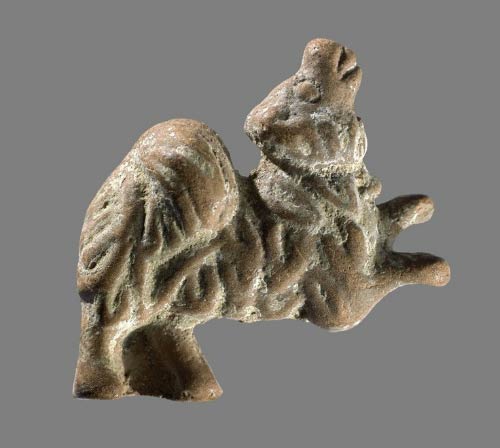
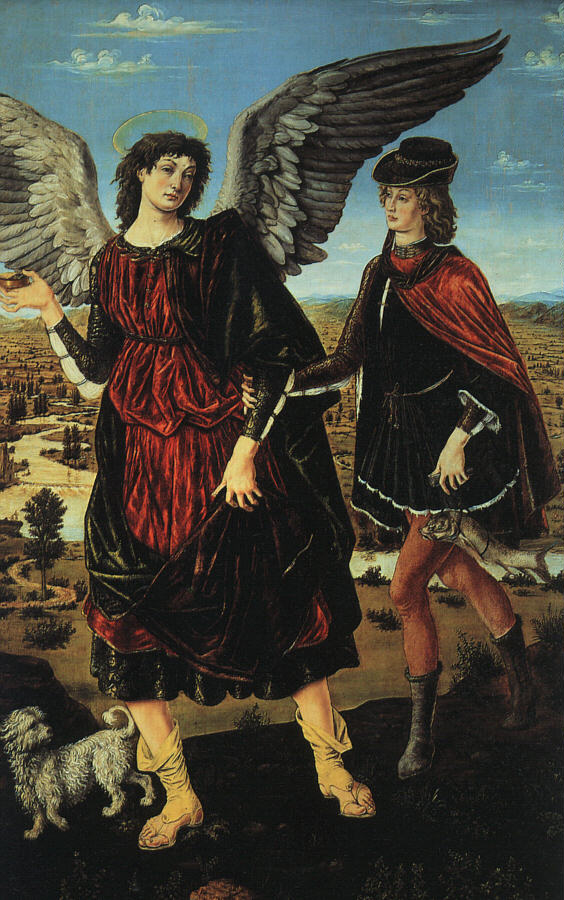
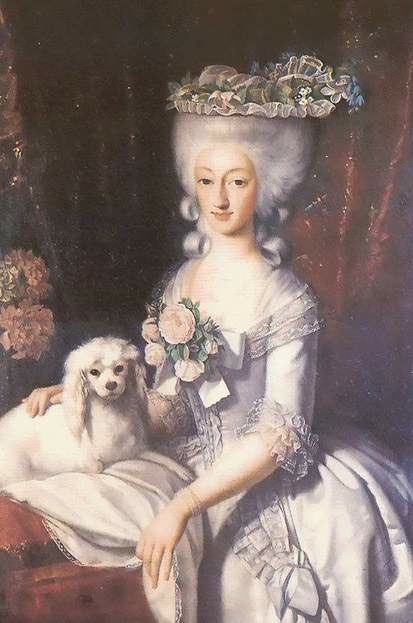
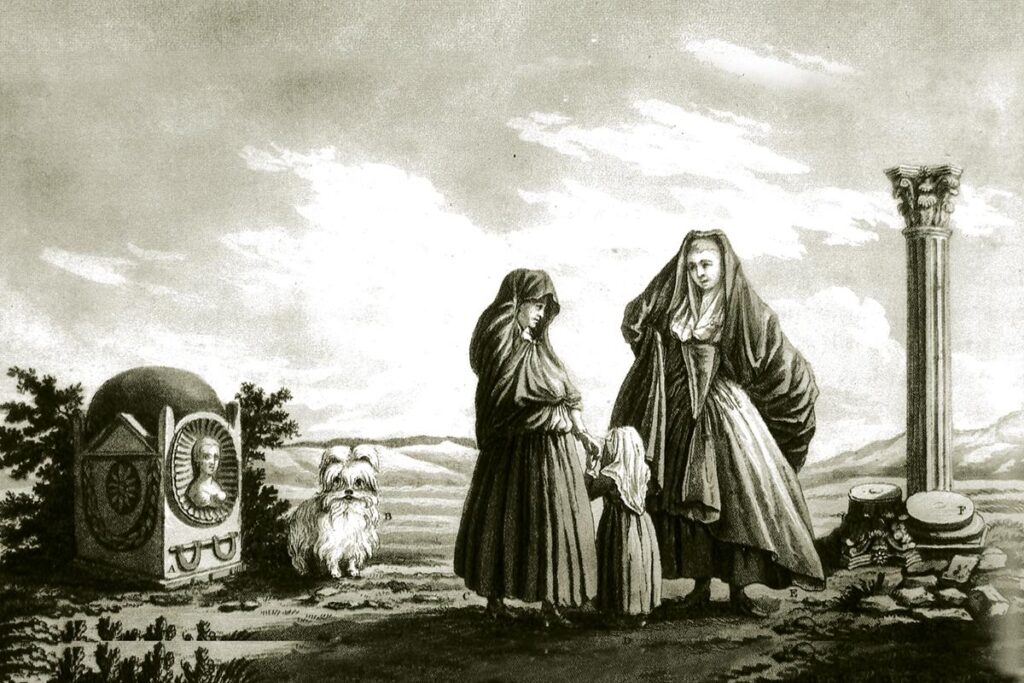
The Maltese breed can trace its modern origins to the mid-19th century, but its ancient roots go back much farther. For thousands of years, artists and philosophers have praised the beauty, nature and proportions of the little white dog from Malta. Modern day Maltese are the inheritors of the grace, beauty and loving temperaments of their ancient forebears.
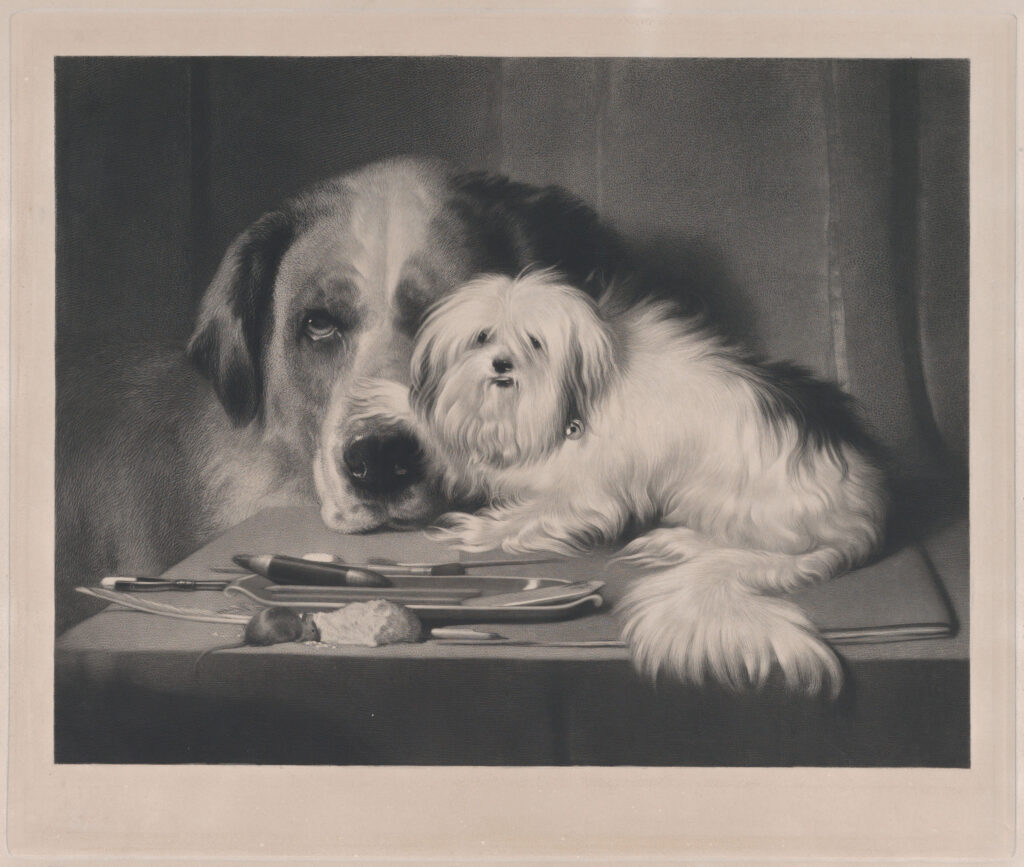
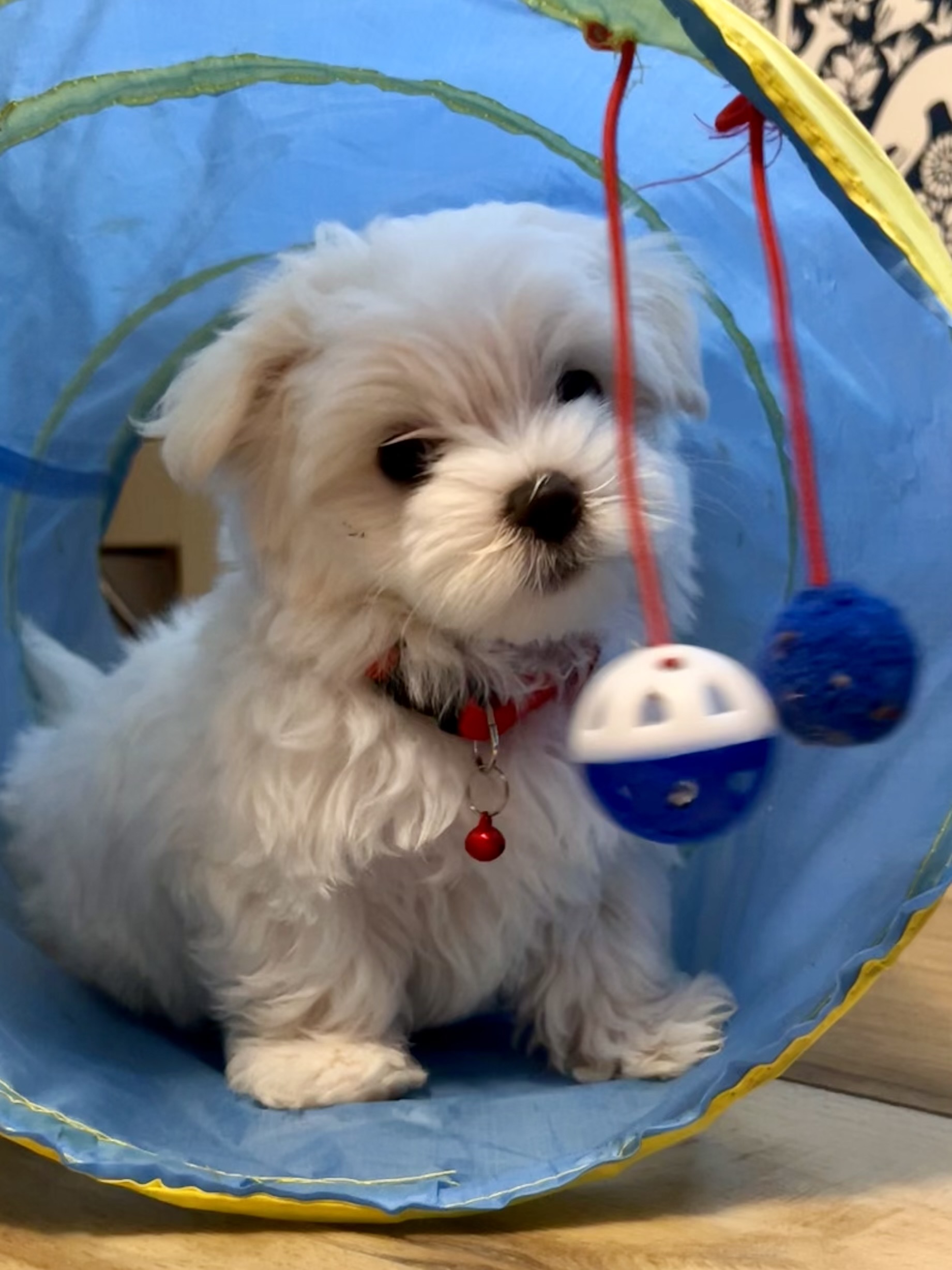
Today’s Maltese are known for their striking looks and adorable temperaments.
Temperament
The Maltese is one of the gentlest little dogs imaginable. They are smart and very affectionate.
Activity Level
Maltese dogs love to run and play, and a fenced yard is ideal for them (make sure to stay outside with them whenever they are outside, predator birds can snatch little dogs if left alone in their yards.) If a fenced yard is not possible, Maltese dogs can manage easily as apartment dwellers so long as they get some good playtime sessions of running and fetching. Compared to bigger dogs, Maltese exercise needs are minimal.
Height/Weight
Your Maltese dog will likely weigh under 7 lbs (3 kg) in adulthood, although some Maltese with European bloodlines can weigh up to 9 lbs. Make sure calories from treats are included in their daily calorie intake – little dogs can get overweight if given too many treats. Their height may be up to 10 inches at the shoulder. Because of their small size, Maltese dogs are not recommended for households with children under the age of five – they can easily be injured or even killed by a child who does not understand yet how to be gentle with little creatures.
Health/Lifespan
Maltese are a healthy breed! They have a lifespan of 12-15 years of age. The most common minor health issues facing Maltese are dental issues (decayed teeth, inflamed gums) – brushing your Maltese dog’s teeth, giving dental chews as treats, and not feeding your Maltese human food are good ways to keep their teeth and gums in shape.
The two major health issues that Maltese dogs face are Patent Ductus Arteriosus (PDA) and Luxating Patella. Patent Ductus Arteriosus is the most common congenital (present from birth) heart defect across all breeds of dogs, and Maltese dogs are more prone to this illness than some other breeds. This defect occurs when the “short cut” that allows blood to bypass the lungs of a puppy still in the womb fails to close once the puppy is born. Symptoms include exercise intolerance, difficulty breathing, fluid build-up in the lungs, and, if not caught and corrected surgically, death. PDA is usually diagnosed early during routine veterinary exams when the vet hears a heart murmer that sounds “machine-like.” Treatment is necessary and urgent, and involves a minimally invasive procedure where a small incision is made on the dog’s inner thigh and a specialized catheter passed from the femoral artery into the PDA to seal it off. Our Maltese dogs have either had a cardiac exam prior to breeding or come from parents who have had cardiac exams to confirm that they show no signs of PDA.
Luxating Patella is a dislocation of the kneecap. All little dogs are at some risk for this. Luxating Patella’s are a problem because they can lead to pain, difficulty walking, and the development of arthritis in the knee later in life. Luxating Patella’s can be treated surgically if needed. My breeding dogs are either tested for Luxating Patellas or come from parents who were tested for luxating patella’s, as recommended by the Orthopedic Foundation for Animals. Injuries or accidents can still lead to luxating patella’s later in life for any little dog, however, so you must always make sure to care for your dog’s knee health. Don’t let them leap down from high places, be careful they don’t fall off beds or sofas, and let them run on grass rather than concrete sidewalks.
Coat
Maltese have what is called a single coat (no undercoat). Their hair is silky and softer than cotton, and if allowed to grow out into a “show coat,” hangs straight to the ground from a centre part running from nose to tip of tail.
Colour
Maltese are pure white dogs – usually. However, hints of tan on the ears often show up in puppies. If the tan is a very light colour, this colour is referred to as “lemon.” Puppies with lemon ears usually fade out to pure white as they mature. If the tan colour is a bit deeper than lemon, this colour is called “tan,” and these puppies may keep their coloured ears their whole lives. Tan ears are not considered ideal according to the breed standard, but many Maltese owners love this hint of colour in their otherwise pure white dogs. Maltese dogs have dark eyes and black pigmentation on their noses, lips and eye rims, called “points.” The black may fade to pink as the dog ages, or in response to environmental factors (cold, exposure to sunshine), or it may stay a deep black their whole lives.
Grooming
You will need to have your dog professionally groomed every 6-8 weeks or so, or invest in some good quality clippers and learn to groom your little darling yourself. Because Maltese are a glowing white colour, they will also need regular (weekly or bi-weekly) baths to keep their coats clean if they go outside.
The Small but Mighty Yorkshire Terrier
Originally known as the Broken Haired Scotch Terrier, this little powerhouse was bred in the 19th century to hunt out rats and other burrowing animals. The breed was officially named the Yorkshire Terrier in 1874, after the region of England in which the breed originated. Although very good at their hunting/ratting jobs, the wonderful, loving natures of these little dogs soon led Victorian-era Brits and Americans to adopt them as companion dogs, and today they are one of the most popular breeds of dog in the western world.
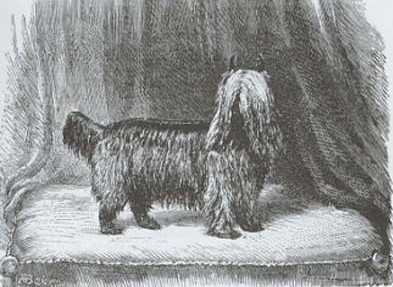
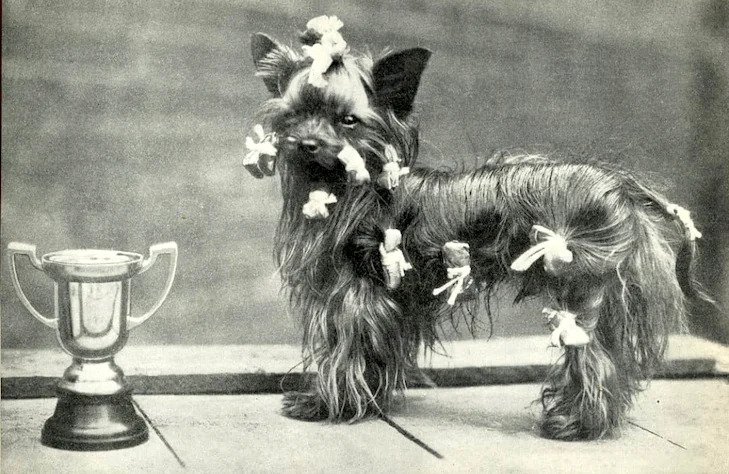
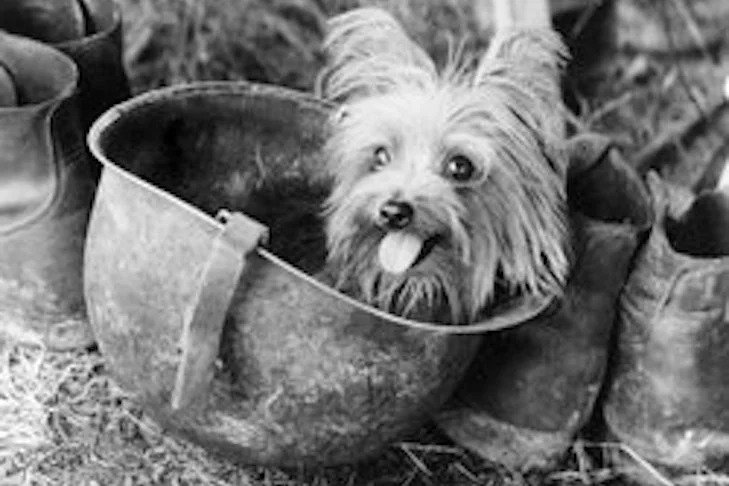
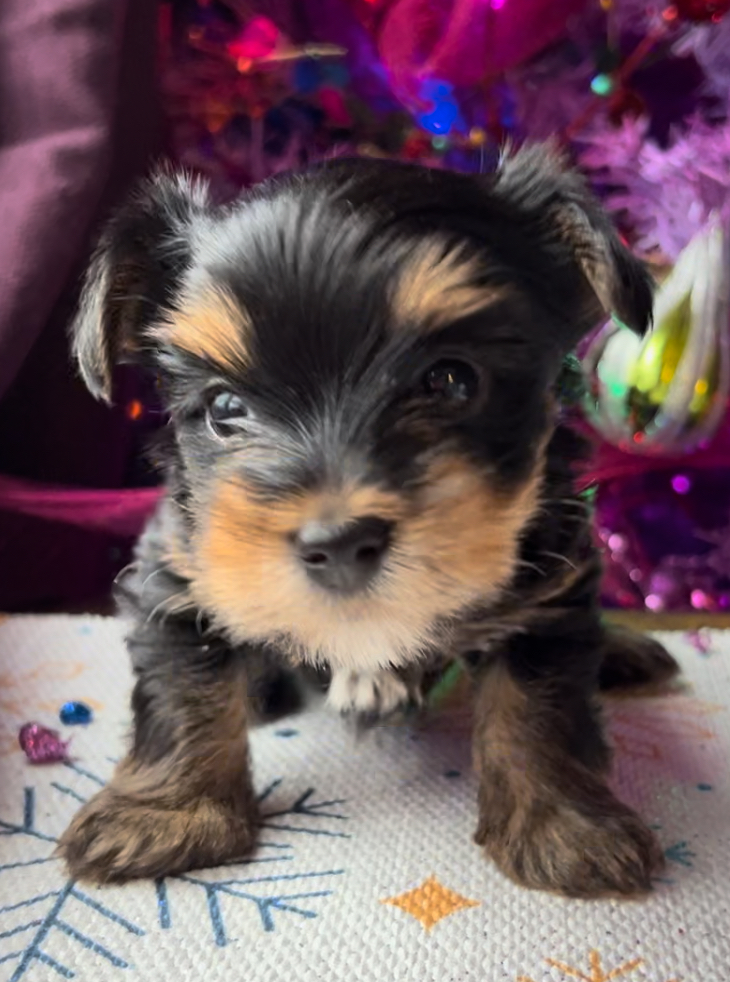
Today’s Yorkshire Terriers are known for their playful and affectionate natures and beautiful gold and grey (blue) coats.
Temperament
Yorkshire Terriers are alert little dogs (they will bark to alert you to human visitors at the door or neighbourhood dogs out for a walk!) This makes them ideal for seniors, who may not hear as well as they used to, or for anyone who does not feel comfortable living alone without an alert companion. They are curious, loving and loyal, and will happily curl up on the couch with you for hours, or play endlessly if that is your preference.
Activity Level
Yorkies are playful and active little dogs that love to run and play. A fenced yard is ideal for them (as with Maltese, make sure to stay outside with them whenever they are outside, predator birds can snatch little dogs if left alone in their yards.) If a fenced yard is not possible, Yorkies can manage easily as apartment dwellers so long as they get some good playtime sessions of running and fetching. Like the Maltese , Yorkie exercise needs are minimal.
Height/Weight
Yorkshire Terriers will normally be under 7 lbs in weight, and stand 7″-8″ at the shoulder. Because they are so small, they are not recommended for households with children under the age of five – they can easily be injured or even killed by a child who does not understand yet how to be gentle with little creatures. As with any small dog, be careful not to give too many treats because little dogs can become unhealthy very quickly by over-eating.
Health/Lifespan
Yorkshire Terriers are a healthy breed! They have a lifespan of 11-15 years of age. The most common minor health issues facing Yorkies are dental issues (decayed teeth, inflamed gums) – brushing your Yorkie’s teeth, giving dental chews as treats, and not feeding your Yorkie human food are good ways to keep their teeth and gums in shape.
The major health issue that Yorkies face is Luxating Patella. Luxating Patella is a dislocation of the kneecap. All little dogs are at some risk for this, but Yorkshire Terriers are more at risk than some breeds. Luxating Patella’s are a problem because they can lead to pain, difficulty walking, and the development of arthritis in the knee later in life. Luxating Patellas can be treated surgically if needed. My breeding dogs are either tested for Luxating Patellas or come from parents who were tested for luxating patella’s, as recommended by the Orthopedic Foundation for Animal. Injuries or accidents can still lead to luxating patella’s later in life for any little dog, however, so you must always make sure to care for your dog’s knee health. Don’t let them leap down from high places, be careful they don’t fall off beds or sofas, and let them run on grass rather than concrete sidewalks
Coat
The coat of the Yorkshire Terrier is glossy, fine, silky and straight, and parts in a straight line from nose to tip of their tail. If left to grow, the hair on their muzzles will grow to the floor!
Colour
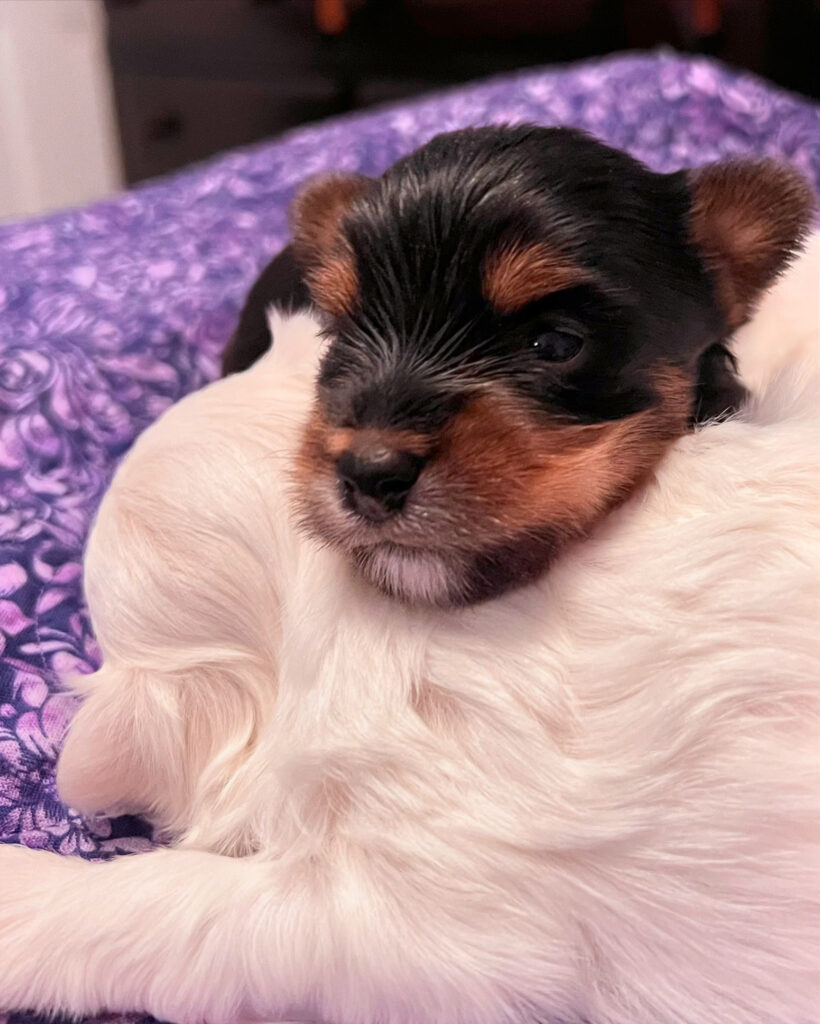
The traditional coat colour of Yorkies is very dramatic – on the body, they are a steel grey in colour (that is referred to as “blue” officially), and they have blonde (tan) fur on heads and legs. Yorkie puppies are almost always born black with tan points, but their coats lighten over their first years of life to the blue and tan or gold breed standard. Recently, non-traditional colourings for Yorkies have become popular; while some breeders are legacy breeders who choose to breed solely for conformity to these traditional colours, other breeders are choosing to nurture rather than cull puppies born with non-standard but genetically appropriate colour variations to be found in the Yorkie breed. Some Yorkies, for example, have a bit of white to go with their black and tan: this mix of black, tan and white is called “Parti.” Other colours found naturally but uncommonly in Yorkies include Chocolate and Sable, and pure Black. Merle is not inherent in Yorkies, so if you see a Merle Yorkie advertised, you should know that somewhere in the probably not too distant past someone introduced non-Yorkie genes into their ancestry.
Grooming
Daily brushing is essential to keep mats from forming in their silky coats, and you will need to get them professionally groomed every six weeks if you don’t want their hair to drag on the ground. If you do not want to get them professionally groomed, you can buy some clippers and learn to do the grooming yourself.


